- More Blogs

- Why Chongqing Is Called the Cyberpunk City of China
Why Chongqing Is Called the Cyberpunk City of China
 Mar 20, 2026
Experiencing the Cyberpunk Essence of Chongqing
In recent years, Chongqing has captured global attention as one of the most visually striking cities in the world. Travelers, photographers, and filmmakers frequently describe it as a real-life cyberpunk city in China, where towering skyscrapers, glowing neon lights, and densely packed neighborhoods merge to create a futuristic, almost cinematic atmosphere. The city’s striking visuals have made it a popular backdrop for urban photography, films, and digital art, drawing creatives seeking inspiration from its unique urban energy.
However, Chongqing’s cyberpunk identity is more than just neon signs and modern architecture. It emerges from the interplay of geography, architecture, and transportation systems that shape the city into a multi-layered urban environment. For first-time visitors, understanding these elements transforms a simple sightseeing trip into an immersive exploration of a city that seems lifted straight from a science fiction narrative.
The Geography Behind Chongqing’s Futuristic Look
Chongqing’s dramatic appearance is largely influenced by its geography. The city is located at the confluence of the Yangtze and Jialing rivers and is surrounded by steep mountains and deep valleys. This rugged terrain has dictated the city’s development, preventing the horizontal sprawl typical of other megacities. Instead, Chongqing has expanded vertically, with roads, residential complexes, commercial buildings, and skyscrapers built across multiple elevations.
This vertical growth creates an extraordinary urban layout:
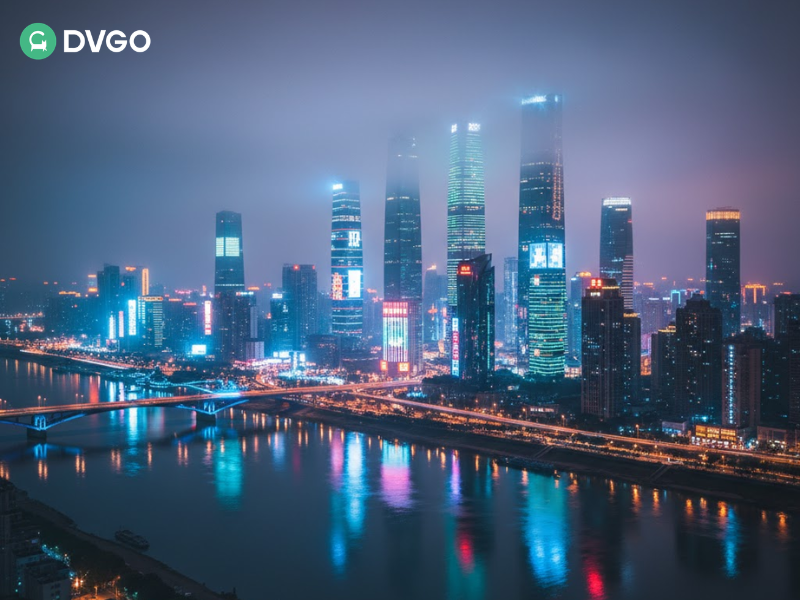
Multi-Level Streets: Roads and pedestrian walkways often exist several floors above or below one another, creating a layered network of pathways.
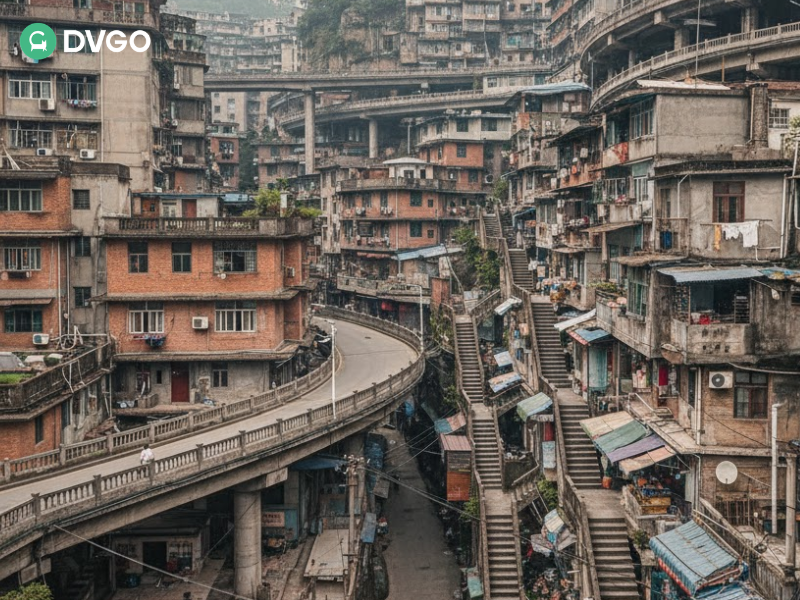
Steep Hillside Architecture: Residential and commercial buildings climb the slopes, with stairways, escalators, and elevators bridging the height differences.
High-Level Bridges: Bridges connect districts above the rivers, giving the city its distinctive skyline and unusual visual perspective.
Vertical Transportation: Elevators and escalators replace long, flat sidewalks in certain neighborhoods, offering both practicality and a futuristic urban feel.
These features combine to form the complex, multi-dimensional urban landscape that travelers and artists associate with cyberpunk aesthetics. Walking through Chongqing is an experience in depth and scale—one moment you are navigating narrow, neon-lit alleys, the next you are looking down from a towering bridge at a river glowing with city lights.
Beyond the Visual: Culture and Atmosphere
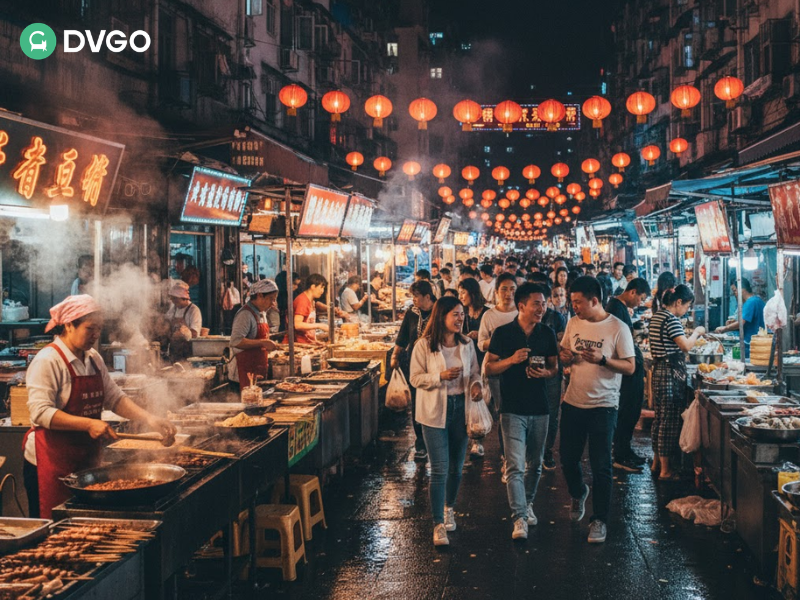
The cyberpunk impression of Chongqing is amplified not just by its neon skyline, but by its vibrant street life and rich cultural atmosphere. As night falls, the city transforms into a living mosaic of lights, sounds, and scents. Night markets buzz with activity, offering everything from sizzling skewers and spicy Chongqing hotpot to local desserts and handmade crafts. Street vendors call out to passersby, while the aroma of Sichuan spices drifts through narrow alleys, creating a sensory experience that is as immersive as the city’s visual spectacle.
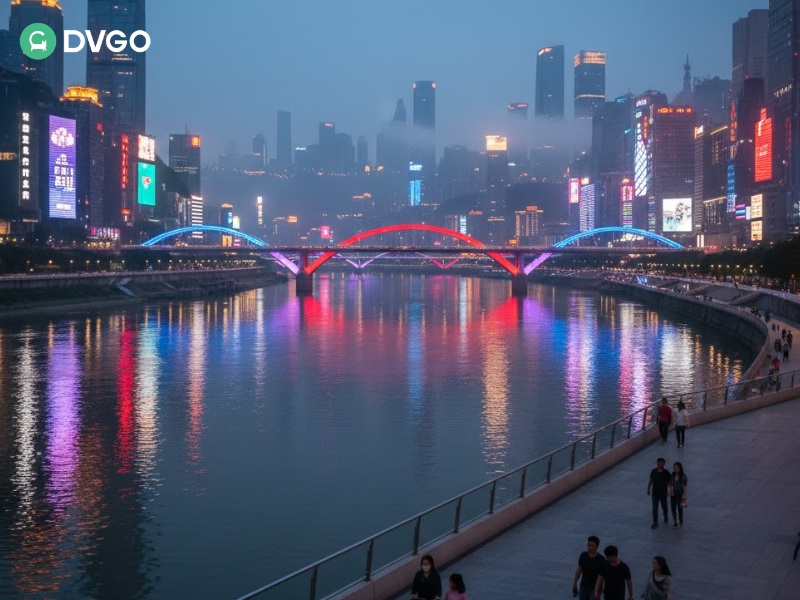
Along the Yangtze and Jialing riverbanks, riverside promenades teem with activity. Families, couples, and solo travelers stroll under glowing bridges, while neon reflections shimmer on the water’s surface. Riverside cafés and rooftop bars provide stunning panoramic views of the city, perfect for photography enthusiasts or anyone seeking a contemplative moment above the urban sprawl.
The city’s hillside neighborhoods add another layer of dynamism. Narrow stairways, elevated walkways, and small plazas reveal hidden cafés, art galleries, and local workshops tucked between buildings. Here, visitors can witness traditional Chinese urban culture intersecting with modern innovation—elderly residents practicing tai chi at dawn, children playing in steep alleyways, and street artists projecting digital murals onto concrete walls.
Chongqing’s public spaces—whether bustling shopping streets, scenic parks, or scenic cable car routes—offer a constant interplay between people and place, giving the city a distinctly cinematic, multi-layered feel. Exploring Chongqing from this perspective allows travelers to see beyond the neon lights and towering skyscrapers, understanding how geography, architecture, infrastructure, and daily life intertwine to create a city that is both futuristic and unmistakably alive.
Insider Tip: For a truly immersive experience, visit a local teahouse overlooking the river at dusk, or hop on a nighttime cable car ride across the city—this offers both the thrill of vertical navigation and an unforgettable view of the city’s illuminated landscape, perfectly capturing Chongqing’s cyberpunk charm.
Nighttime: When Chongqing Looks Truly Cyberpunk
While Chongqing is impressive during the day, the city becomes even more dramatic at night.
Skyscrapers illuminate the riverbanks, bridges glow with LED lighting, and thousands of apartment windows form glowing patterns across the hillsides. Reflections from these lights create one of the most recognizable Chongqing skyline night views in China.
Several areas are especially popular for nighttime exploration:
| Location | What Makes It Special |
| Hongya Cave | Traditional stilt buildings illuminated above the river |
| Nanshan Hill | Panoramic skyline views |
| Qiansimen Bridge | Elevated skyline perspectives |
| Jialing River Walkway | Reflections of city lights on the water |
These locations are often considered among the best viewpoints in Chongqing for capturing the city’s futuristic atmosphere.
Exploring Chongqing’s Cyberpunk Landscape with DVGO AI
Chongqing is a city that fascinates visitors with its neon-lit skyscrapers, winding riverbanks, and layered urban architecture. However, despite its visual allure, navigating the city can be challenging. The city’s vertical design, with hills, bridges, and elevated roads, often confuses GPS navigation, while many of its best viewpoints are scattered across different districts, requiring careful planning to maximize your sightseeing experience.
DVGO AI transforms this exploration into a seamless adventure by offering intelligent, personalized travel planning for both first-time and returning visitors. Key features include:
Curated Viewpoints: DVGO AI recommends the most photogenic spots in Chongqing, from iconic skyline perspectives to hidden alleys and rooftop cafes that capture the city’s cyberpunk vibe.
Optimal Photography Timing: The system identifies the best times for capturing the city’s neon reflections and fog-draped hills, ensuring dramatic sunset or nightscape shots.
Smart Route Planning: By analyzing the city’s complex street network, DVGO AI designs efficient routes connecting multiple attractions, reducing travel time while maximizing sightseeing opportunities.
Highlighting Unique Local Spots: Beyond major landmarks, DVGO AI suggests lesser-known sites, local food alleys, and cultural pockets, giving travelers an authentic urban experience.
With DVGO AI, visitors spend less time navigating Chongqing’s labyrinthine streets and more time immersing themselves in the city’s futuristic architecture and electric atmosphere. Whether wandering through the illuminated bridges above the Jialing River or discovering hidden cafés tucked into steep alleys, travelers can effortlessly experience the cyberpunk energy that defines modern Chongqing.
Pro Tip: Pair your DVGO AI-guided sightseeing with local culinary hotspots for a complete sensory experience—enjoy spicy hotpot while watching the city lights flicker across the Yangtze River.