- More Blogs

- Clinical Tuina Therapy in China: A DVGO Guide to Medical Massage for Business Travelers
Clinical Tuina Therapy in China: A DVGO Guide to Medical Massage for Business Travelers
 Mar 24, 2026
For many travelers visiting China, Clinical Tuina therapy—a medical form of Traditional Chinese Medicine (TCM) massage—has become a practical way to recover quickly and maintain physical performance during demanding trips.
Unlike spa massage, clinical Tuina focuses on musculoskeletal alignment, circulation improvement, and nerve release, making it a popular non-invasive therapy for international visitors experiencing travel fatigue.
This guide explains how Tuina works, why it is gaining attention among global travelers, and how platforms like DVGO help visitors find licensed TCM practitioners in China.
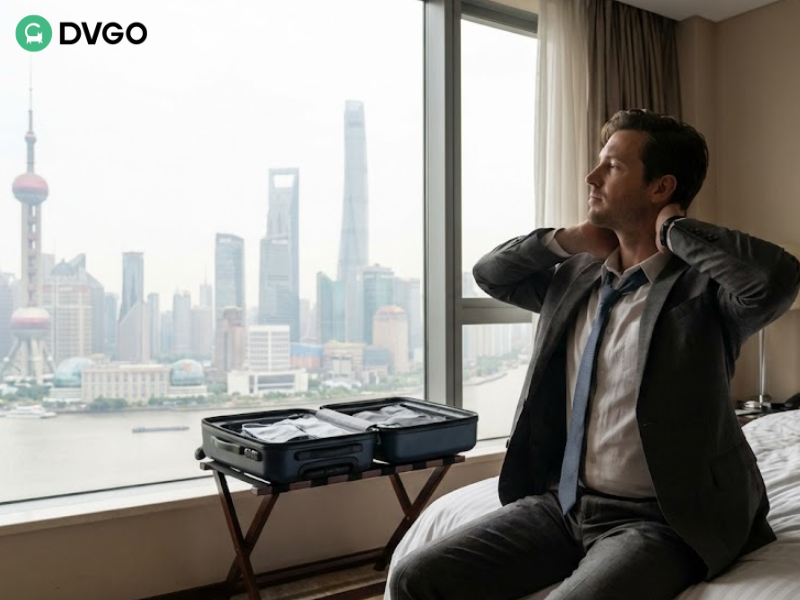
Why Business Travelers in China Are Turning to Medical Massage
Business travel places unusual strain on the body. Travelers often spend long hours sitting on flights, carrying luggage, and standing at exhibitions or conferences.
Common travel-related issues include:
Neck stiffness from laptop use
Lower back pain after long flights
Shoulder tension from carrying bags
Poor circulation caused by prolonged sitting
In cities such as Shanghai, Shenzhen, and Guangzhou, clinical Tuina therapy is widely used to help travelers restore mobility and circulation without medication or invasive procedures.
For many visitors, a single session can significantly reduce stiffness and improve energy levels during a busy travel schedule.
What Is Clinical Tuina? The Medical Side of Chinese Massage
Tuina is one of the core therapeutic systems within Traditional Chinese Medicine, alongside acupuncture and herbal therapy.
Clinical Tuina differs from relaxation massage in several important ways.
| Spa Massage | Clinical Tuina |
| Focus on relaxation | Focus on medical recovery |
| General muscle work | Targeted anatomical treatment |
| Surface-level pressure | Deep tissue and joint manipulation |
| Standardized routine | Personalized treatment based on diagnosis |
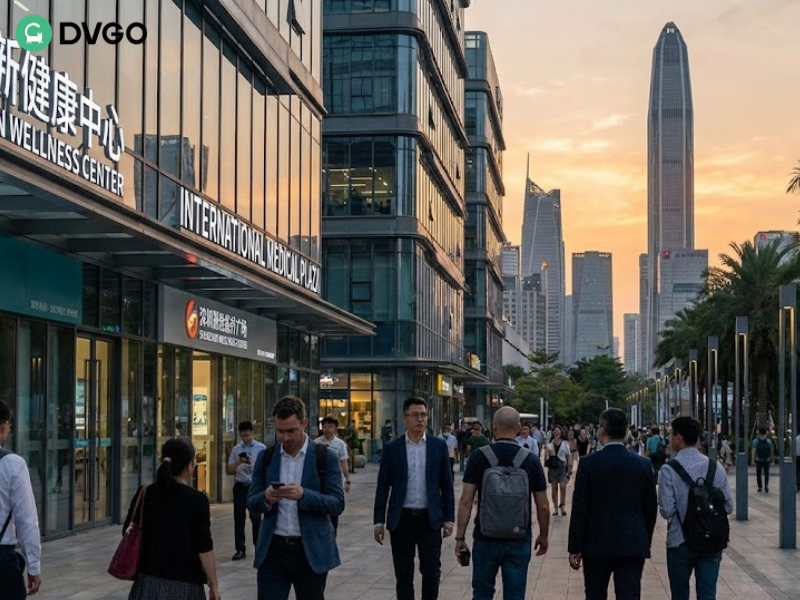
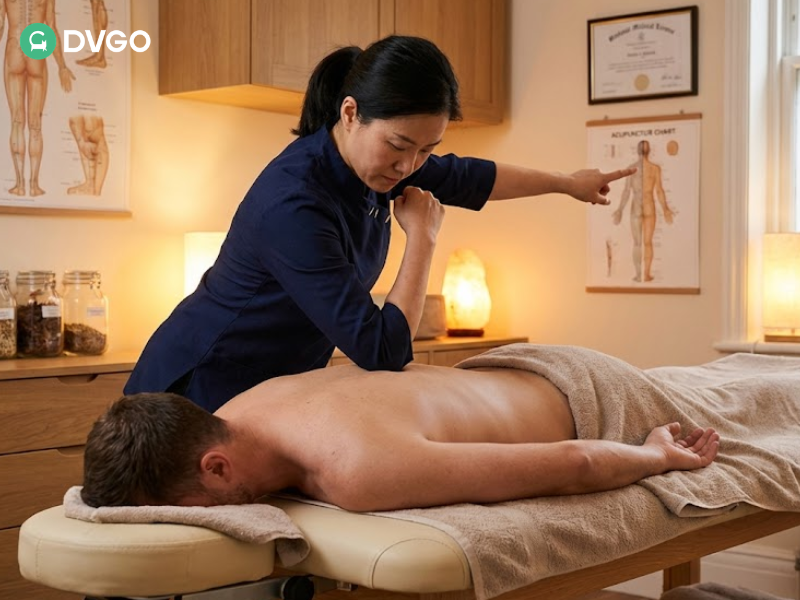
Practitioners often evaluate posture, muscle tension, and joint mobility before applying techniques such as:
spinal adjustment
pressure point stimulation
joint mobilization
deep muscle release
These techniques aim to restore balance between circulation, nerves, and muscle structure.
Travel Fatigue and Posture Problems: How Tuina Helps
Long-distance travel often disrupts the body’s normal circulation and posture. Sitting for extended periods during flights, carrying luggage, and working on laptops in unfamiliar environments can place unusual strain on muscles and joints. Over time, this can lead to stiffness, swelling, and reduced mobility.
Within Traditional Chinese Medicine, Tuina therapy addresses these issues by combining deep tissue manipulation, joint mobilization, and acupoint stimulation. The goal is not only to relieve discomfort but also to restore the body’s natural circulation and structural balance.
Post-Flight Circulation Recovery
Long-haul flights often involve sitting in confined spaces for many hours. Limited movement can slow blood circulation, compress the spine, and cause fluid retention in the lower body. Many travelers notice symptoms such as stiff backs, swollen legs, or reduced flexibility immediately after arrival.
Tuina therapy helps counter these effects by stimulating circulation and gently releasing tension along the spine and surrounding muscle groups. Practitioners typically begin with techniques that relax the back muscles and encourage blood flow through the lower back and hips. Gradual pressure and stretching movements help decompress the spine and restore mobility.
For travelers who have spent hours seated on flights, these treatments may provide several benefits:
reduced lower-back stiffness
improved blood circulation
decreased muscle tightness
greater flexibility in the hips and spine
By restoring circulation and reducing muscular tension, Tuina can help the body recover more quickly from the physical stress of air travel.
Tech Neck and Laptop Posture
Modern business travel frequently involves long periods of digital work. Whether preparing presentations, answering emails, or reviewing documents, travelers often spend hours looking down at laptops or phones. This posture places significant strain on the neck and upper back, a condition commonly referred to as “tech neck.”
When the head tilts forward for extended periods, the cervical spine must support additional weight. Over time, this can lead to muscle fatigue, stiffness in the neck and shoulders, and even tension headaches.
Tuina therapists often focus on key areas affected by this posture, including:
tension in the cervical spine
restricted movement around the shoulder blades
tightness in the upper trapezius muscles
Using targeted pressure techniques and controlled stretching, practitioners work to release tension and improve mobility in these regions. Treatments may also stimulate specific acupoints associated with circulation and muscle relaxation.
For many travelers, addressing these tension patterns can lead to noticeable improvements such as:
better neck mobility
improved posture alignment
reduced shoulder tightness
fewer headaches related to muscle strain
By correcting these posture-related imbalances, Tuina therapy provides a practical recovery method for travelers whose work routines place constant stress on the neck and upper back.
Tuina vs Western Physical Therapy
Many travelers compare Tuina with Western physical therapy. While both aim to restore movement and relieve pain, their approaches differ.
| Aspect | Tuina Therapy | Western Physical Therapy |
| Treatment philosophy | energy flow and anatomy | biomechanics and exercise |
| Techniques | pressure, joint manipulation | rehabilitation exercises |
| Treatment focus | circulation and balance | strength and mobility |
For short-term travel recovery, Tuina is often preferred because treatments are hands-on and immediately relieving, rather than requiring multiple training sessions.
Where to Find Licensed Tuina Clinics in China
China has thousands of massage businesses, but only some operate as licensed medical institutions.
Trusted TCM clinics are typically found in major medical centers such as:
Beijing
Shanghai
Shenzhen
Guangzhou
These clinics often employ certified practitioners trained in anatomy, rehabilitation, and traditional Chinese medicine.
However, distinguishing medical clinics from commercial spas can be difficult for international visitors.
The Hidden Risks: Why Not All “Massage Clinics” Are Medical
Travelers unfamiliar with China’s healthcare system may encounter challenges such as:
unlicensed practitioners
cosmetic spas marketed as TCM clinics
unclear treatment descriptions
lack of English communication
Without local knowledge, visitors may accidentally book services that focus on relaxation rather than medical treatment.
This creates a trust gap in wellness tourism.
How DVGO Helps Travelers Find Trusted TCM Therapy
DVGO was designed to simplify travel discovery across China’s complex service landscape.
Instead of browsing outdated recommendation lists, the platform helps travelers locate verified experiences through AI-assisted discovery and expert curation.
Key features include:
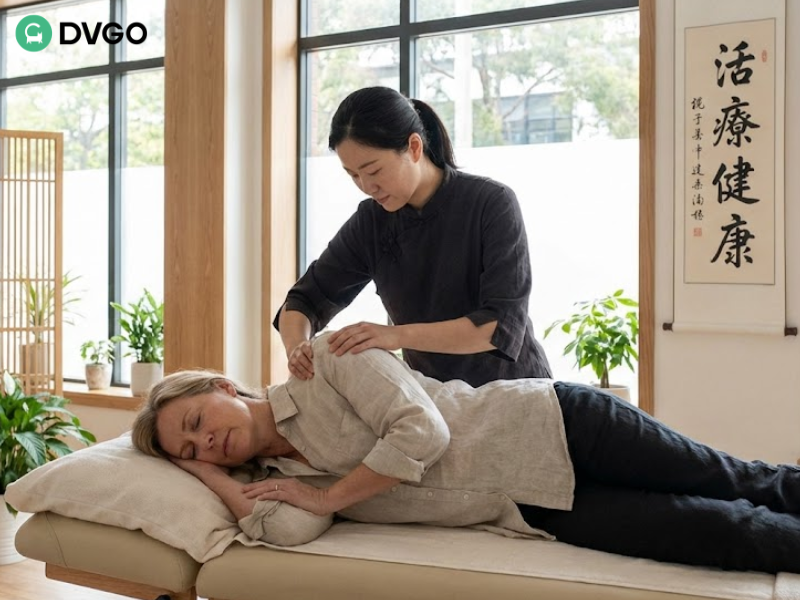
Verified Clinic Discovery
DVGO prioritizes clinics that demonstrate:
official medical licensing
certified TCM practitioners
consistent patient reviews
clear treatment descriptions
Intent-Based Search
Travelers can search based on recovery goals such as:
jet lag recovery
posture therapy
medical massage
circulation improvement
This helps visitors find relevant services faster.
Travel-Friendly Information
DVGO also provides practical guidance to help travelers navigate everyday systems in China, including:
local payment methods
transportation and navigation routes
essential cultural etiquette
H2
Sample 3-Day Business Travel Recovery Plan
Day 1 — Flight Recovery
Recommended therapy:
spinal decompression Tuina
neck and shoulder release
circulation stimulation
Goal: relieve stiffness after arrival.
Day 2 — Posture Correction
Recommended therapy:
cervical spine treatment
shoulder mobility work
acupoint activation
Goal: restore posture and reduce tension.
Day 3 — Circulation and Energy Reset
Recommended therapy:
full-body Tuina session
acupuncture support
herbal compress therapy
Goal: restore energy before returning to work or travel.
Frequently Asked Questions
Is Tuina therapy painful?
Some techniques involve deep pressure, but treatments are typically adjusted to the patient’s tolerance level. Most people experience relief and improved mobility after the session.
How long does a Tuina session last?
Typical sessions last between 45 and 60 minutes, depending on the treatment plan.
Can international visitors book TCM therapy?
Yes. Many clinics in major Chinese cities welcome international patients, although language barriers may exist without translation support.
Why Medical Wellness Travel Is Growing in China
As international travel becomes easier, more visitors are combining tourism with wellness recovery.
Short wellness sessions during a business trip can help travelers:
recover from long flights
maintain productivity
explore traditional healthcare practices
TCM therapies such as Tuina offer a non-invasive alternative for managing travel fatigue while experiencing an important part of Chinese culture.
Plan Your Wellness Recovery with DVGO
Finding legitimate TCM clinics in China can be challenging for international travelers. Language barriers, unfamiliar booking systems, and unclear practitioner credentials often create uncertainty when trying to arrange a wellness session.
DVGO simplifies this process by connecting travelers with verified wellness experiences and trusted local providers, helping visitors navigate China’s complex healthcare and service landscape with greater confidence.
With DVGO, you can:
discover licensed TCM clinics across China
search wellness experiences based on your travel goals
access practical travel survival guides for navigating Chinese services
plan recovery sessions that fit your business or travel schedule
Whether you are visiting China for trade shows, conferences, or leisure travel, DVGO helps transform research into real experiences—so you can focus on recovery, exploration, and enjoying your journey.
Download DVGO today and start planning a smarter, smoother wellness journey in China.